
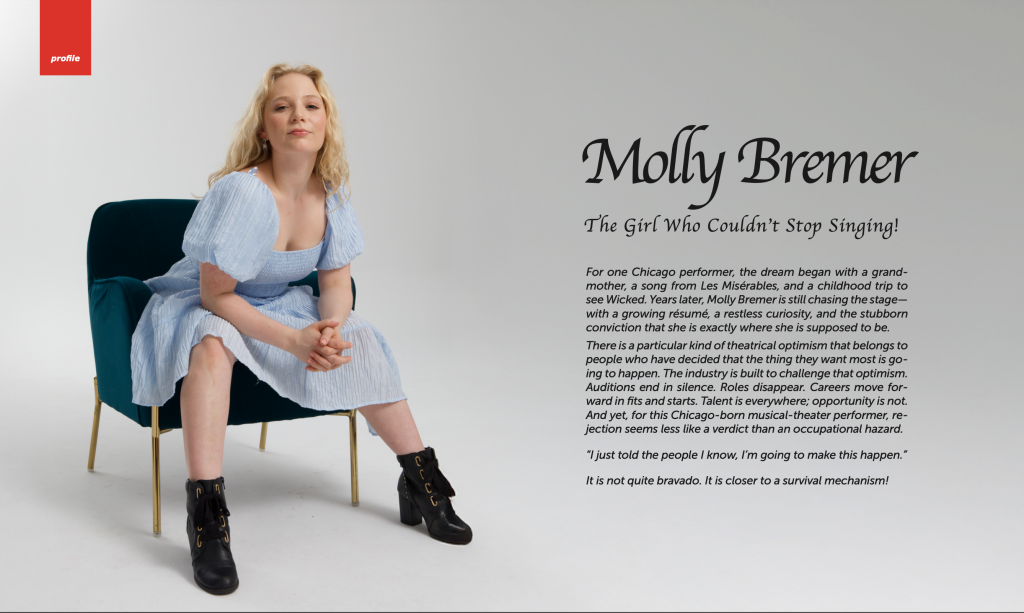
For one Chicago performer, the dream began with a grandmother, a song from Les Misérables, and a childhood trip to see Wicked. Years later, Molly Bremer is still chasing the stage—with a growing résumé, a restless curiosity, and the stubborn conviction that she is exactly where she is supposed to be.
By Moonah Ellison
Photos by William Ferchichi
There is a particular kind of theatrical optimism that belongs to people who have decided that the thing they want most is going to happen. The industry is built to challenge that optimism. Auditions end in silence. Roles disappear. Careers move forward in fits and starts. Talent is everywhere; opportunity is not. And yet, for this Chicago-born musical-theater performer, rejection seems less like a verdict than an occupational hazard.
“I just told the people I know, I’m going to make this happen.”
It is not quite bravado. It is closer to a survival mechanism. Molly Bremer grew up in Chicago, a city she loves enough to have returned to after college and a stint in New York City. She attended a performing arts high school before studying at Princeton. Her family had no professional connection to the arts, but they supported her ambitions. Her grandmother, who had once wanted to major in music herself, was the person who first introduced her to it.
At first, piano lessons did not exactly inspire her. Then her grandmother changed tactics. One day, she suggested they simply sing a song from Les Misérables. Somewhere in those early attempts, something clicked. She was around fifth or sixth grade when she began singing, but it wasn’t until her grandparents took her to see Wicked that she understood performing could become a profession. Watching the production, she was captivated by the possibility that someone could make a life onstage.
That fascination led her to a Chicago performing arts high school, a place she describes as magical. During a tour, she watched two students perform a scene from Carousel and burst into tears, overwhelmed by their talent and convinced she could never be that good.
Her teacher Patricia Rusk offered reassurance: “You’re good too.” Another mentor, musical-theater department chair Andy Robinson, saw potential in her that she hadn’t yet recognized herself. Though she was shy, he believed she could be a leader. Her parents noticed the transformation as well. Whenever she performed, something seemed to click.
Since then, Bremer’s career has developed through the persistence required of a working theater performer: regional productions, auditions, classes, concerts, benefits, and the constant search for the next opportunity. She currently does not have an agent and has largely built her résumé herself, finding work while cultivating relationships with theaters.
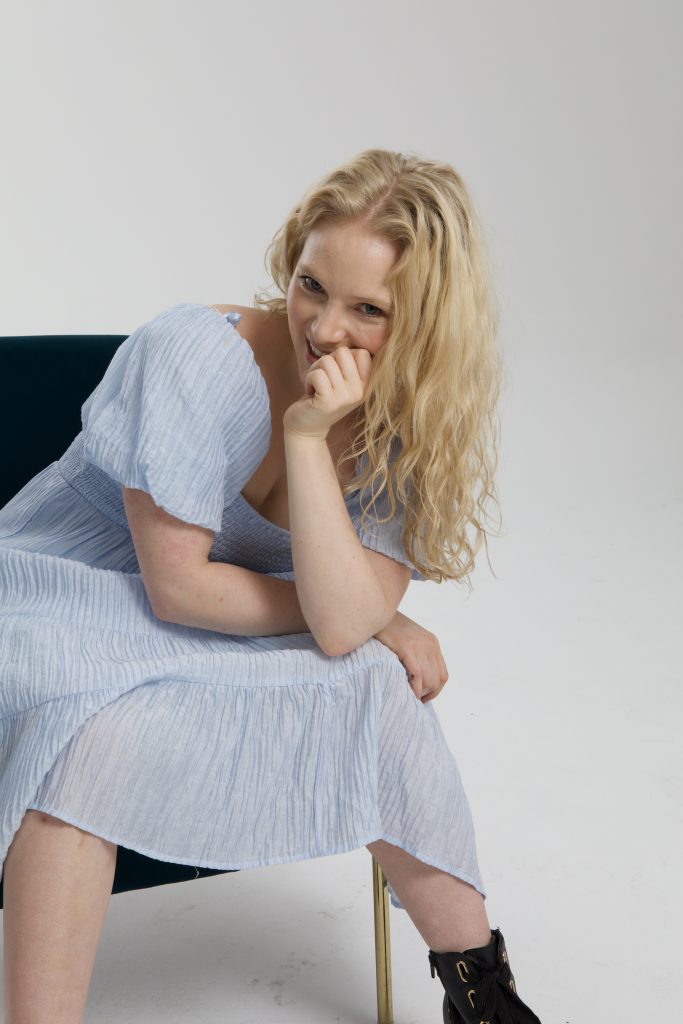
That persistence has already brought a collection of dream roles. She has played Eliza Doolittle in My Fair Lady, Belle in Beauty and the Beast, and Cinderella. Most recently, she appeared in Cats, a particularly meaningful achievement because she only began dancing in high school and Cats is an intensely dance-driven production.
Her ambitions, however, extend beyond individual roles. She would love to appear in Wicked, the show that first inspired her to imagine a career in musical theater. She has already auditioned for the production. The possibility carries a certain symmetry: the young girl who once watched Wicked from the audience now hopes to step onto that stage herself.
For now, Bremer is focused on building momentum. She auditions constantly, takes classes to strengthen her skills, works as a fitness instructor between shows, and performs at concerts, benefits, and galas. Her approach is entrepreneurial. She views herself as responsible for keeping her career moving. “I’m my own business,” she says. It is a revealing philosophy in an industry where so much depends on being chosen. Instead of waiting for permission, she keeps creating opportunities for herself.
Eventually, she hopes to tour. A national tour has been a childhood dream, and the idea of traveling while performing appeals to her restless nature. She could see herself returning to New York City or even working internationally. The attraction is not simply the destination; it is the movement itself.
Bremer describes herself as restless, and theater seems almost perfectly suited to that quality. Every production offers a new community, a new role, and a new challenge. She also sees theater as something larger than entertainment. At a time when technology is changing the way audiences experience art, she believes live performance offers something difficult to replace: shared humanity. Musical theater, for her, is ultimately about connection, reflection, and giving audiences an experience that feels genuinely human.
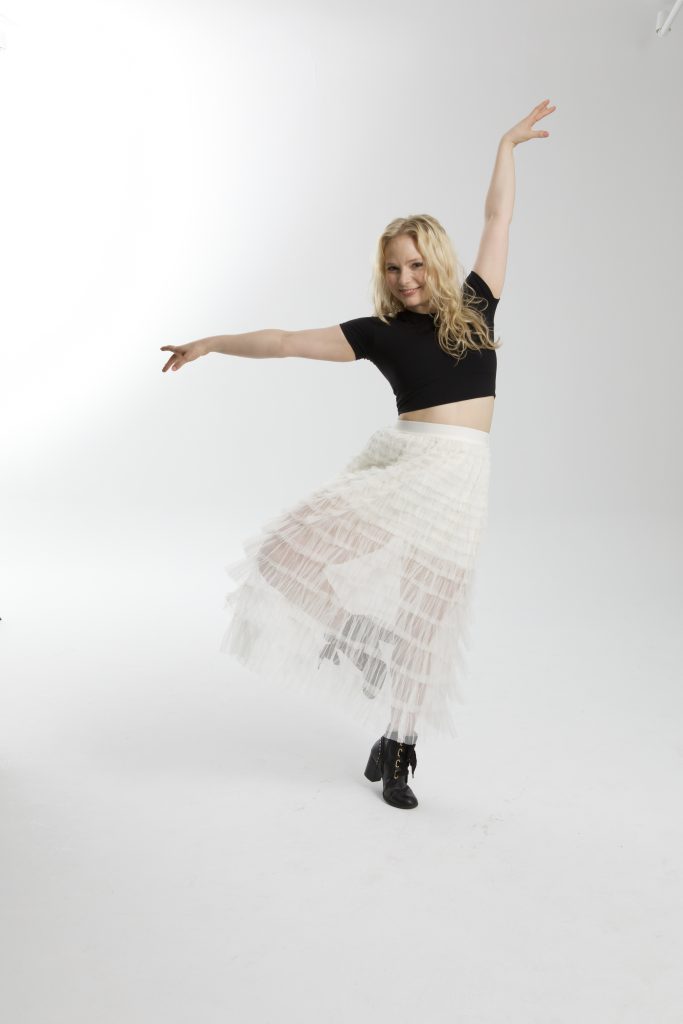
One performer she particularly admires is Joshua Henry. After seeing him in Carousel and more recently in Ragtime at Lincoln Center Theater, she was struck by his ability to communicate enormous amounts of emotion through the smallest expression, alongside his extraordinary vocal technique. That is the kind of artist she hopes to become one day. Not merely someone who can sing beautifully, but someone who can make an audience feel.
Perhaps that is why her story keeps returning to its beginning: a grandmother, a song, and a young girl discovering that singing could become something larger than singing. The dream has evolved since then. The résumé has grown. The ambitions have expanded. But the essential impulse remains unchanged.
Throughout it all, Bremer wants to perform. She wants to keep learning. She wants to travel. She wants Wicked. And, above all, she wants a life in the theater. She has already decided that she isn’t going to stop.
If you’re in the Chicago area this fall, catch Molly Bremer in the play Ride the Cyclone from September 16 through October 25, 2026 at the Metropolis Performing Arts Centre in Arlington Heights, Illinois.